
Work With Me
A space to share your story
Therapy that helps you reconnect with yourself
I believe therapy offers something many people rarely experience in their day-to-day lives: a space to be fully heard, supported, and understood without judgment or pressure to perform.
Many people spend years caring for others, managing responsibilities, pushing through stress, or adapting to what is expected of them while quietly carrying anxiety, overwhelm, self-doubt, or emotional exhaustion underneath. Therapy creates space to slow down and pay attention to your own inner experience with greater compassion and curiosity.
Therapy is about helping you better understand yourself, reconnect with your needs and values, and move toward a life that feels more grounded, meaningful, and authentic.
Personal Interests
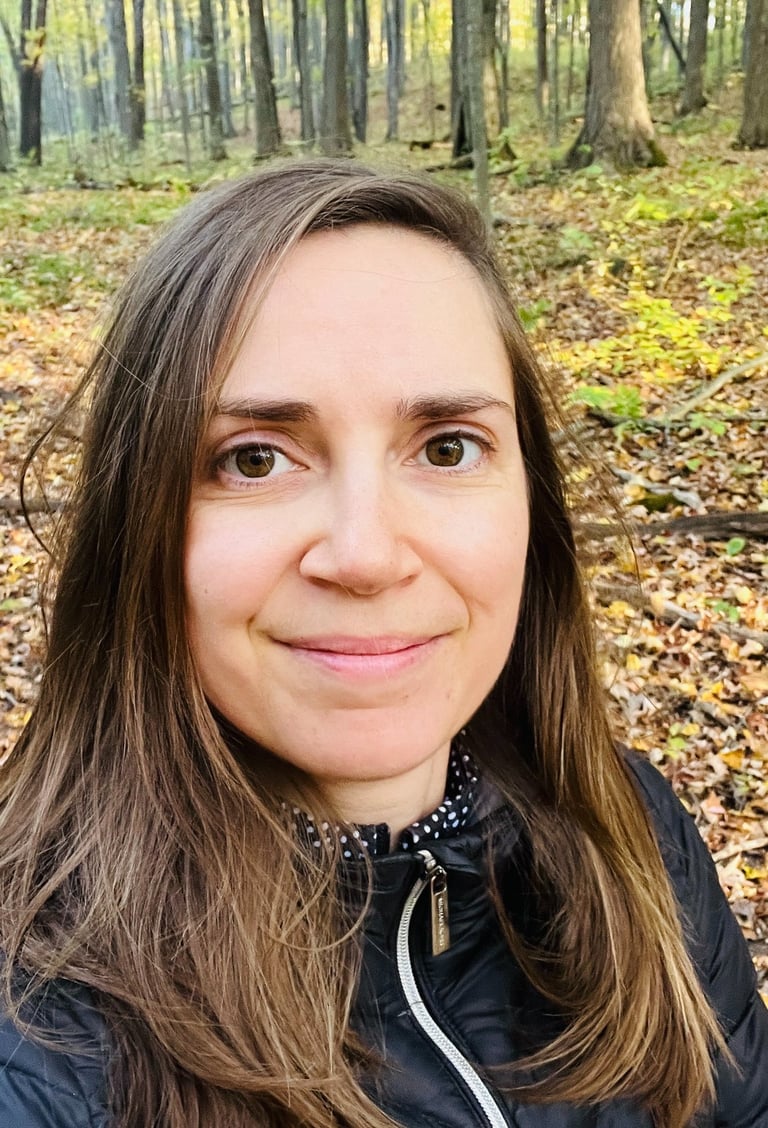
I am fortunate to live near many conservation areas that I hike daily with my two rescue dogs. When I'm not outside, I am actively trying to make the indoors into a jungle, with too many houseplants. I also cherish time with loved ones, and enjoy thrifting, board games, and crafts. I practice plant-based living for ethical, environmental, and health reasons.
Professional Development
Before becoming a psychotherapist, I worked in post-secondary education for 10 years. I am committed to lifelong learning and ongoing professional development.
EMDR from Start to Finish - Foundational Training for PTSD & Complex Trauma, 2026
Integrative Sex & Couples Therapist Certification, 2025
Narrative Therapy Summer Intensive Certification, 2025
Dynamic Narrative Exposure Therapy, 2024
Motivational Interviewing, 2024
Couples Therapy Level 1 - Gottman Institute, 2024


About Me
What Is Therapy Really?
Therapy isn't about giving advice.
Many people come to therapy expecting advice. But therapy is about helping you understand yourself more deeply, not telling you what to do. Together, we explore your thoughts, feelings, patterns, and experiences so you can make choices that feel right for you.
You can't do therapy wrong.
Therapy is a space to speak openly, even if your thoughts feel messy, uncertain, uncomfortable, or hard to put into words. Sometimes the things we want to avoid talking about end up being the most important. There’s no pressure to say things perfectly.
Talking really can help.
At first, it may not seem obvious how talking can create change. But being able to slow down, reflect, and feel understood can gradually shift the way you relate to yourself and others. Over time, patterns become clearer, new perspectives emerge, and change begins to feel possible.
Therapy takes time.
Therapy isn’t a quick fix. The ways we cope, relate, protect ourselves, and move through the world often develop over many years. Meaningful change tends to happen gradually, through consistency, reflection, and care.
The Relationship Matters.
Feeling comfortable, understood, and emotionally safe with your therapist is important. This relationship is foundational to healing, it may be the first time you have really had space to share your story, try new ways of being and relating to others. The relationship heals.
Therapy Has Ups and Downs.
It’s normal for therapy to sometimes bring up discomfort, frustration, sadness, anger, or even the urge to stop coming. Often, these moments are meaningful and worth exploring together rather than pulling away from. Therapy isn’t about feeling good all the time, it’s about making space for what’s true to understand yourself more deeply.
Adapted from Jonathan Shedler's post: Getting Started in Psychotherapy: A Guide for Patients



My Approach
My work is informed by trauma-aware, attachment-focused, and evidence-based approaches including parts-work, schema, ACT, EFT, somatic, and insight-oriented therapies. I tailor therapy to each person’s needs, goals, and experiences.
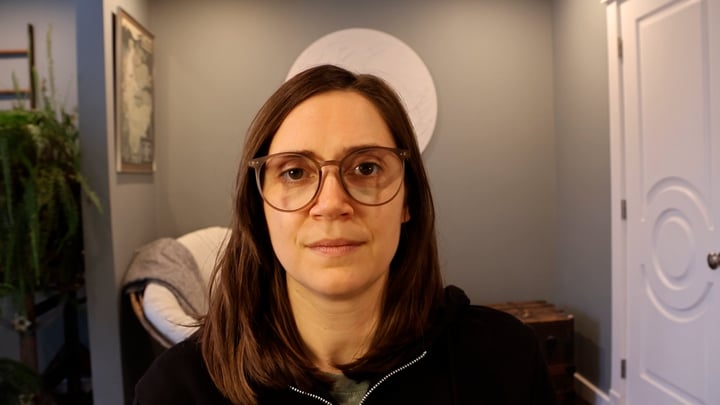
I became a therapist because I deeply believe people do not need to carry their pain alone. In this video, I share a bit about what drew me to this work and how I aim to create a space that feels calm, respectful, and genuinely supportive.
Why Moss & Stone?
Moss
Stone
Stone, by contrast, is enduring and grounded. It carries history, shaped yet unbroken by life’s storms. At times, it reflects our defenses, the hardness that forms in response to pain or fear.
Moss grows in places that seem inhospitable, showing that healing and resilience can take root even in harsh conditions. Its growth is quiet and steady, change unfolding slowly with time.


Alone, moss is fragile and stone is hard. Together, they form a resilient, living balance - a reminder that healing involves both strength and softness.
Together
I Can't Wait to Meet You




If something here resonates, I invite you to book a session.
Therapy offers a space to slow down, better understand yourself, and begin creating a life that feels meaningful and sustainable.
You don't need to have everything figured out before getting started.